
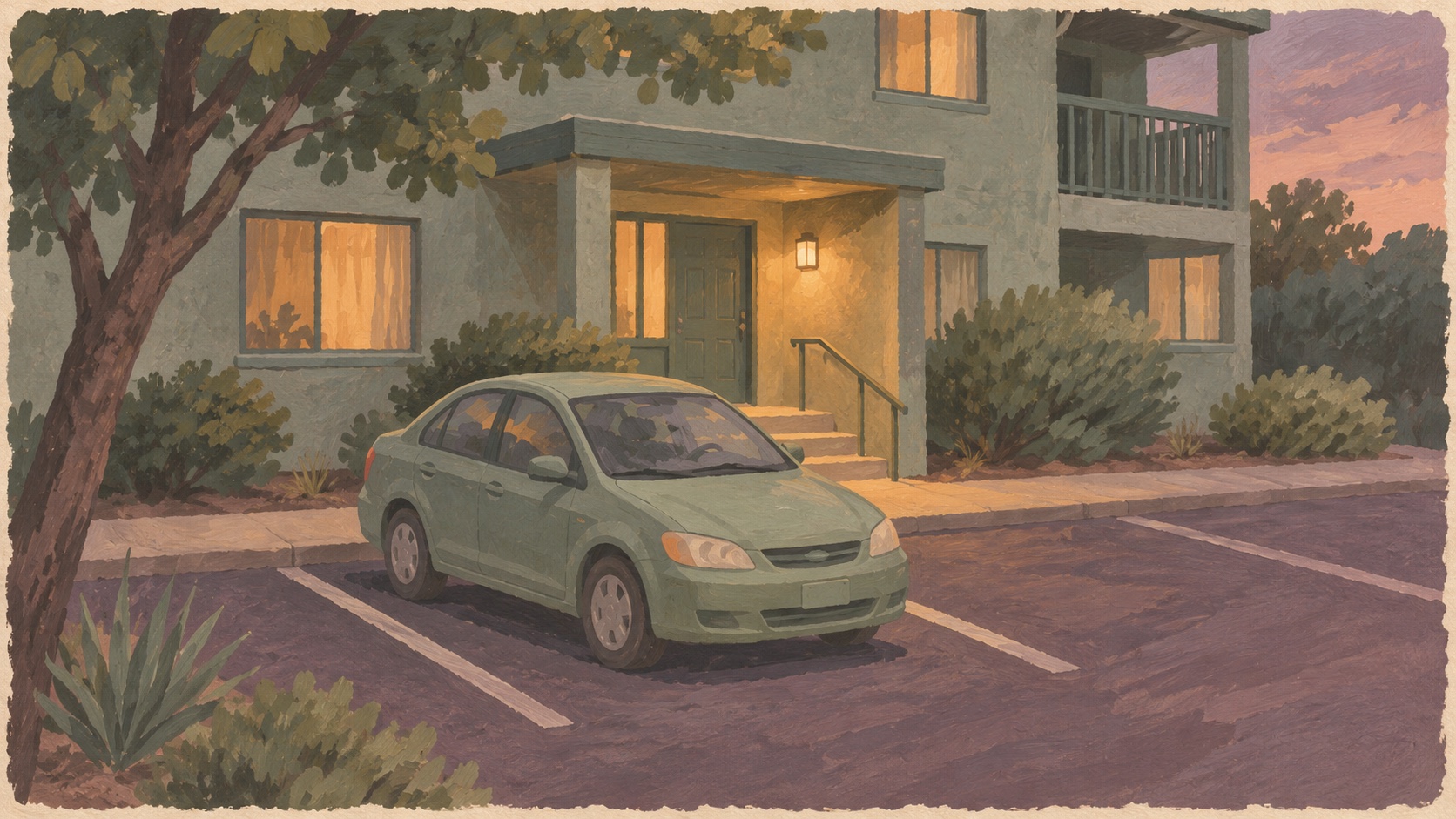
Sabrina Beram had her landlord’s permission under a settlement to sleep in her car when she needed to. That agreement didn’t take away the city’s power to enforce its ordinance. On November 12, the U.S. Court of Appeals for the Ninth Circuit ruled that Beram could pursue her disability discrimination claim against Sedona, Arizona, before she faced criminal charges.
According to the allegations recounted in the opinion, Beram sometimes cannot enter her apartment because of obsessive-compulsive disorder and sleeps in her car instead. Sedona police warned her twice after finding her asleep in her car in public places. She asked the city for an accommodation, eventually narrowing her request to sleeping in her car on the grounds of her apartment complex. The city denied it.
The panel compared two parts of Sedona’s ordinance. One allows certain short-term parking with permission on government property; another bars private property owners from knowingly allowing a violation. The city argued that the landlord’s permission meant Beram could not be cited at the complex. The judges read the parking exception as inapplicable to sleeping in a car on private property with the owner’s consent. In any event, the settlement described in the opinion allowed the landlord to back out if either the landlord or Beram received a warning or was charged under the ordinance. At oral argument, Beram’s lawyer said the landlord had since withdrawn permission for fear of enforcement. The city conceded she had standing under those circumstances. The panel did not rely on that account because it was outside the pleadings.
The court found that Beram had standing to seek damages for alleged past harm and an injunction against future enforcement. For the latter, the judges considered her plans to keep sleeping in her car, the prior police warnings and the city’s refusal to accommodate her. Earlier citations on private property also counted, though the panel gave them limited weight because the complaint offered little information about the people cited.
The ruling also answers a question beyond Beram’s parking space: Can Title II of the Americans with Disabilities Act apply when a city enforces a criminal ordinance? The panel said it can, drawing on an earlier case about a civil code requiring a Portland homeowner to clean up his yard. The judges left open whether Beram’s specific request is reasonable. Sedona can still raise public safety and argue that granting the request would fundamentally change the activity at issue, a defense recognized in the federal Title II regulation.
The case goes back to the district court, where Beram may amend her complaint and seek damages, a declaration of her rights and an injunction. The panel affirmed dismissal of her abandoned Eighth Amendment claim. It granted neither damages nor an exemption from the ban.