Under one Oregon general air permit, gas stations with Stage II vapor recovery equipment that could not meet a July 1, 2024, deadline had until October 1, 2026, to determine whether their equipment works with the vapor controls built into newer vehicles. On November 13, the U.S. Environmental Protection Agency proposed updating Oregon’s federal air plan to reflect the state’s shift away from requiring that equipment at the pump. The proposal does not change that permit.
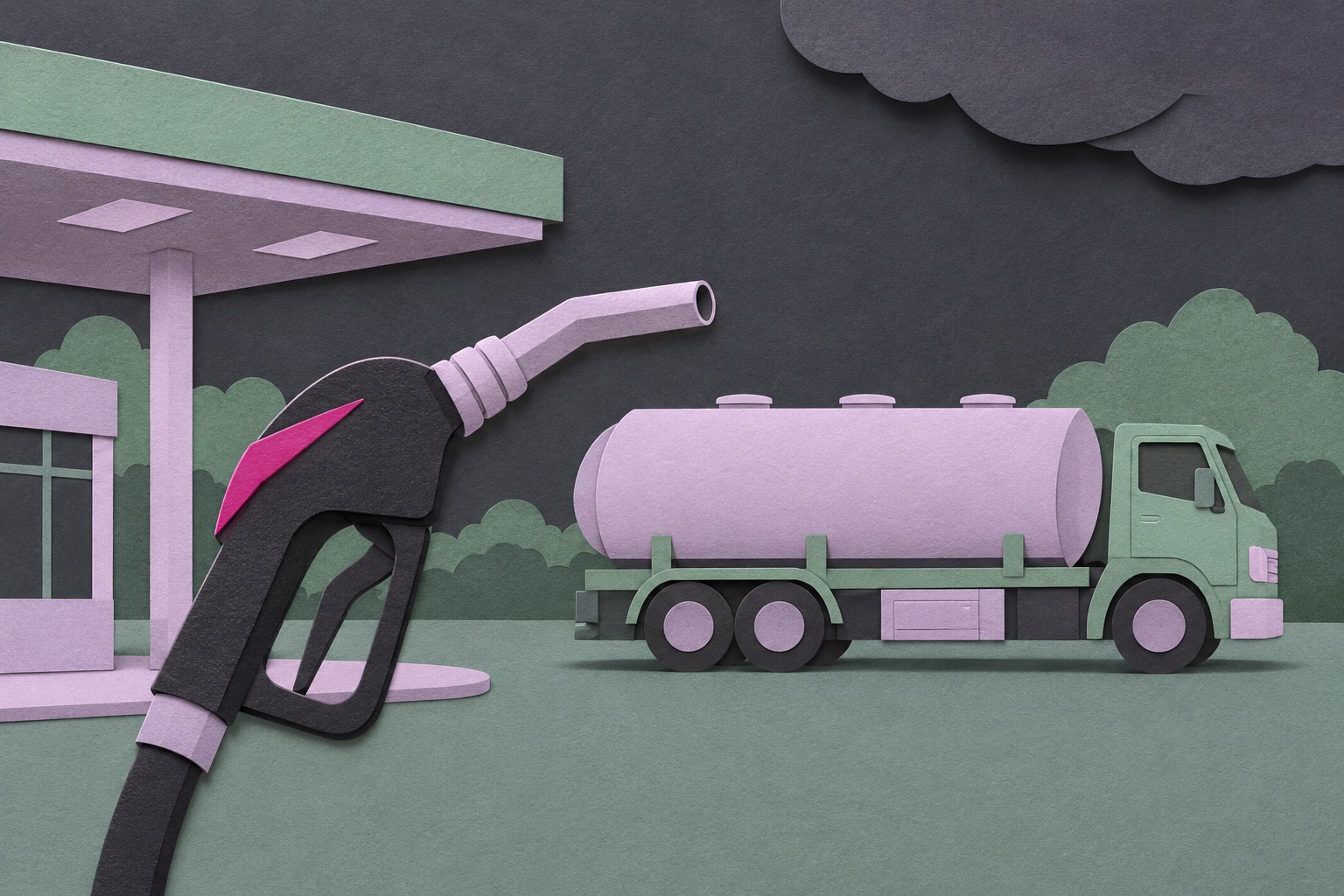
The difference is which tank is being filled. When a driver fills a car, a pump’s Stage II system captures vapors displaced from the vehicle tank and routes them back to the station’s storage tank. A vehicle with onboard vapor recovery captures those vapors in a carbon canister instead. When a tanker truck fills the station’s storage tank, Stage I equipment controls the vapors displaced during that delivery. That job remains even when cars can capture their own refueling vapors.
The dates in the permit and the published state rule differ. For permit holders that could not meet the rule’s December 31, 2025, deadline to stop fueling with incompatible Stage II equipment, the permit gives them until March 1, 2028. It also sets that March date to replace the equipment with a compatible Stage II system or decommission it and install enhanced Stage I vapor recovery and enhanced conventional nozzles. The Oregon Department of Environmental Quality advises operators to check their own air permit before changing equipment.
The state rules apply statewide, but the proposed federal update would keep the federal plan’s existing geographic scope for these rules: the Oregon portions of the Portland–Vancouver, Medford–Ashland and Salem–Keizer air quality management areas, plus all of Clackamas, Multnomah and Washington counties. The proposal excludes reservation land and other areas where the EPA or a Tribe has demonstrated Tribal jurisdiction. Oregon’s emissions analysis projects that the updated controls would cut emissions of volatile organic compounds overall once fully implemented. The EPA is proposing to find that the update would not interfere with meeting or maintaining federal ozone standards.
The EPA’s notice says comments must arrive by December 14, 2026. It directs commenters to Regulations.gov and docket EPA-R10-OAR-2026-2972.