
For nearly all Swiss households, the address on the electricity bill determines which company sells them power. A deal backed Wednesday by the European Parliament would give households a choice of supplier while allowing Switzerland to keep a regulated option. Swiss electricity regulator · Swiss government electricity fact sheet
The November 25 vote in Strasbourg was 584 in favor, 13 against and 60 abstentions. It gave Parliament’s consent to a wider package covering relations between the European Union and Switzerland, including agreements on electricity and health and a protocol on food safety. The Council of the EU still has to formally conclude the package. Switzerland must complete its own approval process and pass legislation to put the electricity agreement into effect. European Parliament roll-call data · Proposed Council decision · Swiss upper-house winter agenda
What a household could choose
Under the Swiss government’s proposal, households could shop for electricity or stay with their local supplier on a regulated tariff. Sites using less than 50 megawatt-hours a year would also be eligible for regulated service. Under the government’s plan, eligible microenterprises at sites using 50 to 100 megawatt-hours a year could stay on or return to regulated service for ten years after the agreement takes effect. Swiss government implementation plan
The price of leaving is already a point of disagreement. The upper house’s energy committee proposed letting the regulated supplier charge an exit fee whenever a customer moves to the open market, to shield remaining customers from the costs of those departures. A minority on the committee wanted switching at the end of the year to be free. That decision would shape how readily customers could act on a better offer. Energy committee recommendations
The grid already crosses borders
At Laufenburg, the Swiss, French and German grids were linked in 1958. The new agreement would change the rules for using the network Switzerland is already connected to. According to the Swiss government, the national transmission operator, Swissgrid, would take part fully in European procedures for operating the transmission system, and Swiss power companies would be able to trade in the EU’s internal electricity market on equal terms. Swissgrid’s history of Laufenburg · Swiss government electricity fact sheet
The Swiss upper house lists the electricity agreement separately in its winter-session materials. Its energy committee also recommended a mandatory referendum on the electricity agreement, requiring approval from both voters and cantons. The Swiss government’s draft calls for an optional referendum. Wednesday’s vote in Strasbourg leaves those domestic decisions with Switzerland. Winter-session agenda · Energy committee recommendations
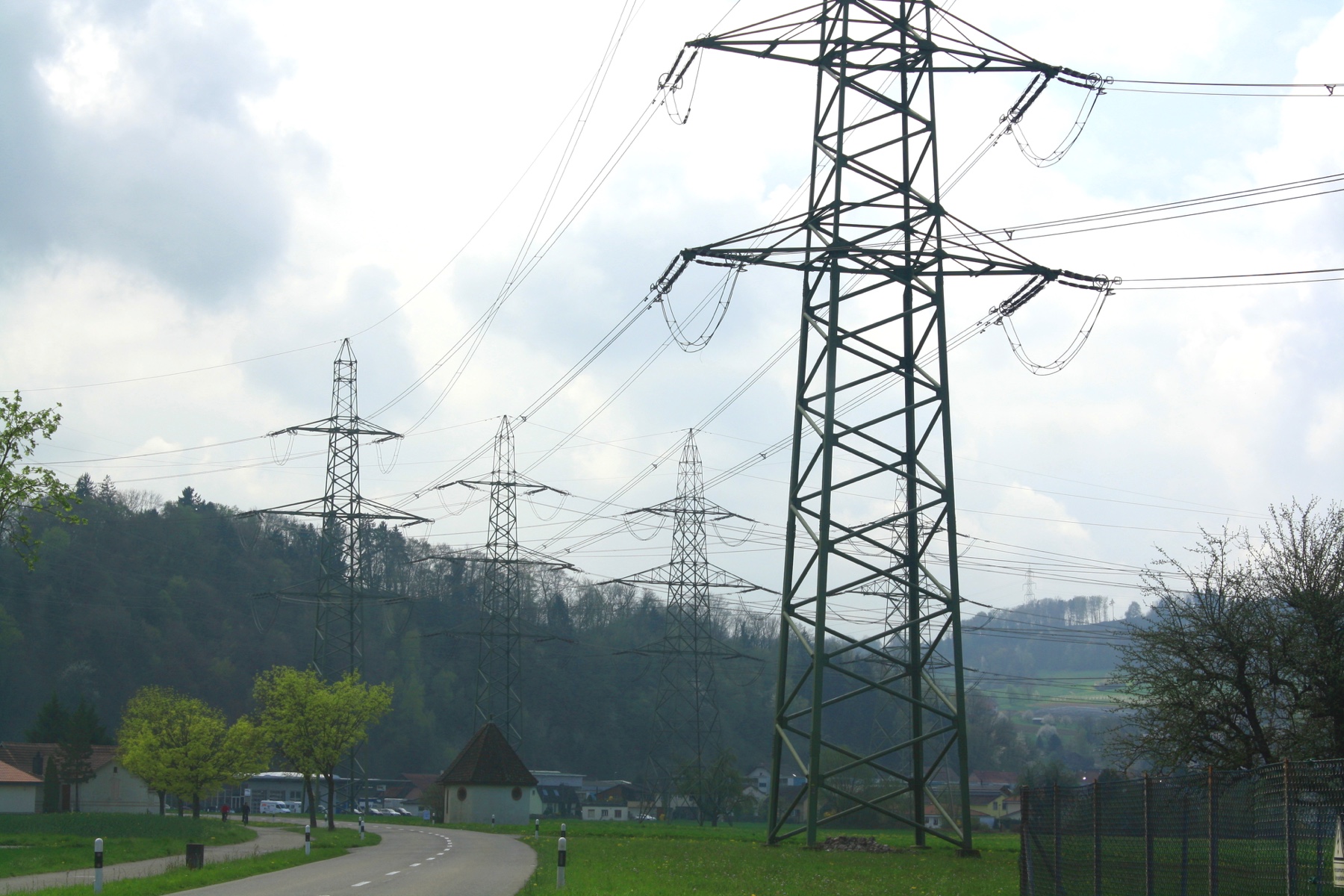
Cover photograph: “Hochspannungsmasten beim Umspannwerk Laufenburg 2014-04-06 01” by Badener, CC BY-SA 3.0. Resized and cropped for previews under the same license.
