
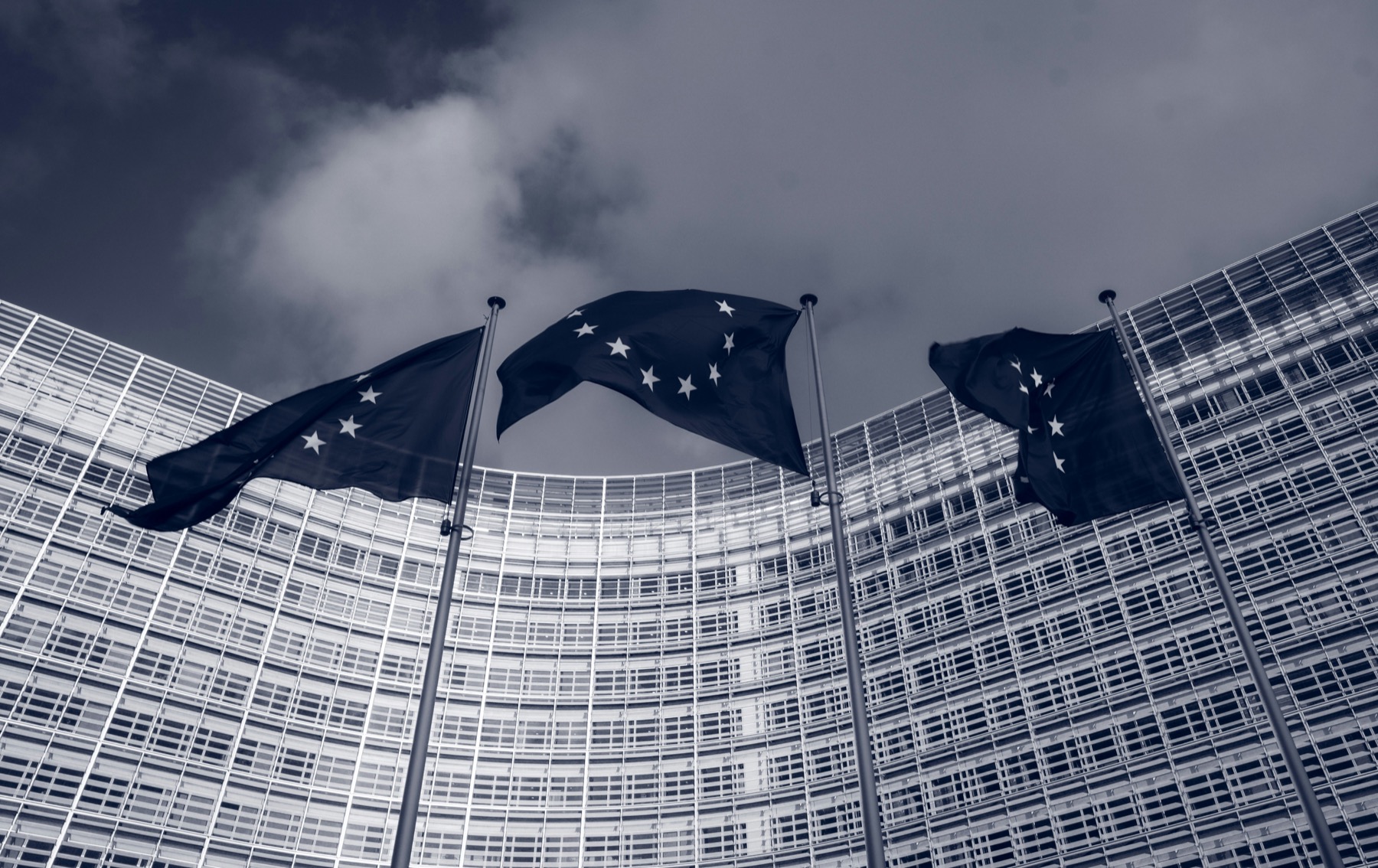
The European Commission said on November 23 that a cyberattack had exposed personal data from EU Academy, its online learning platform for people outside the EU institutions. Names and email addresses were among the data leaked. The Commission said at its midday briefing that it had disabled public access and was still investigating the scale of the leak.
The public notice and an individual notification answer different questions. The first tells learners that the platform was affected. The second would tell a particular person that the breach concerns them. At the briefing, the Commission said it had posted a general message on the Academy site and had informed the European Data Protection Supervisor. It said it had yet to contact users individually. The briefing gave neither an affected-user count nor a timetable for reopening.
The Academy is used to take courses and learn about EU policies. The November 23 disclosure gives learners a more specific answer than the Commission's November 19 briefing, which described a wider cyber campaign first detected on October 22. The later briefing identified one platform and two types of data. It left open the full scope of the incident.
If an unexpected email offers to restore course access or asks you to sign in to check whether you were affected, open the EU Academy address directly and look for the public notice and its contact points. The Federal Trade Commission's phishing guidance recommends checking through a website you already know is genuine before opening links or attachments in unexpected messages. That is a precaution for learners while the investigation continues.