
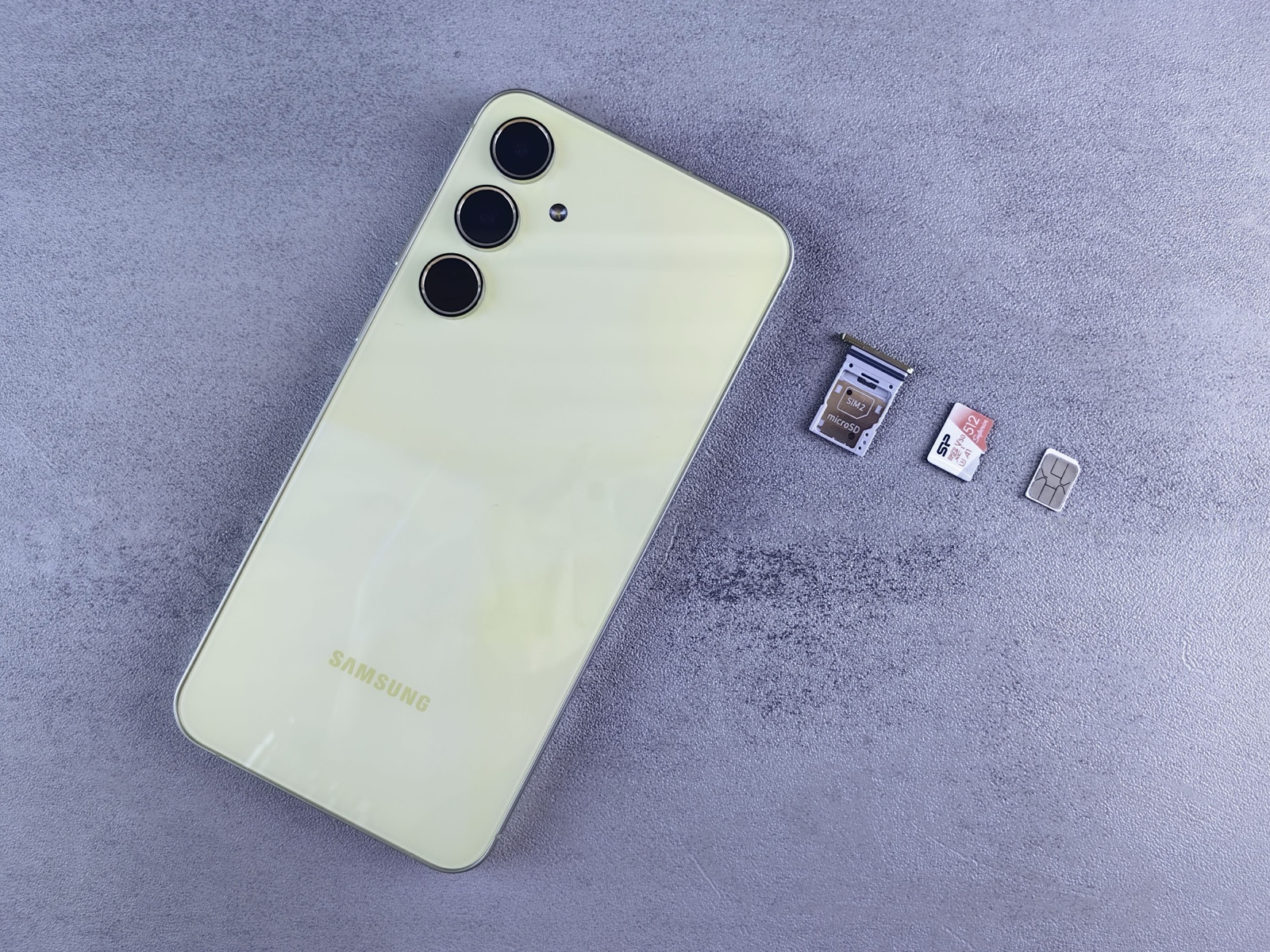
If someone asks your wireless provider to move your line to another SIM, the carrier will generally have to alert you as soon as the request comes in and before it makes the change. The Federal Communications Commission’s November 17 notice sets December 17, 2026, as the compliance deadline for its SIM-change rules. The remaining provisions take effect November 17; carriers have until December 17 to comply.
The underlying rule covers wireless providers, including resellers, and applies to physical SIM cards and their digital equivalents. It requires secure identity checks before a SIM change, subject to exceptions under the Safe Connections Act. An alert tells you a request has been made. A lock does something different: you can turn it on for free, and the provider generally cannot complete a SIM change until you turn it off. The rule makes exceptions to the alert and lock requirements for legitimate requests to separate a line under the Safe Connections Act.
If a fraudulent change goes through, the same rule requires providers to offer a clear reporting process, investigate promptly, take reasonable steps within their control to fix the problem, and provide documentation promptly if you ask. Those services must be free. The carrier also has to make information about its account protections easy to find on its website and in its app.
A SIM change can move your line to another device while you stay with the same carrier. A port-out moves your number to a different carrier. The FCC adopted separate port-out safeguards in the same 2023 order, but the new deadline notice amends only the SIM-change rule. If you want to block both kinds of transfer, ask your provider which requests its lock blocks.