
An international student admitted for “duration of status” does not have to switch to a fixed stay because of the rule the Department of Homeland Security issued in July. On Monday, November 16, U.S. District Judge F. Dennis Saylor IV in Massachusetts set the rule aside in full. It also would have imposed fixed admission periods on exchange visitors and representatives of foreign media.
The change is in the court’s remedy. In September, Saylor postponed the rule’s effective date a day before it was scheduled to take effect. That preliminary order rested on the plaintiffs’ likelihood of success. On Monday, the judge ruled for the plaintiffs on the merits and vacated the rule under the Administrative Procedure Act. Because the rule never took effect, there is no new admission process to unwind.
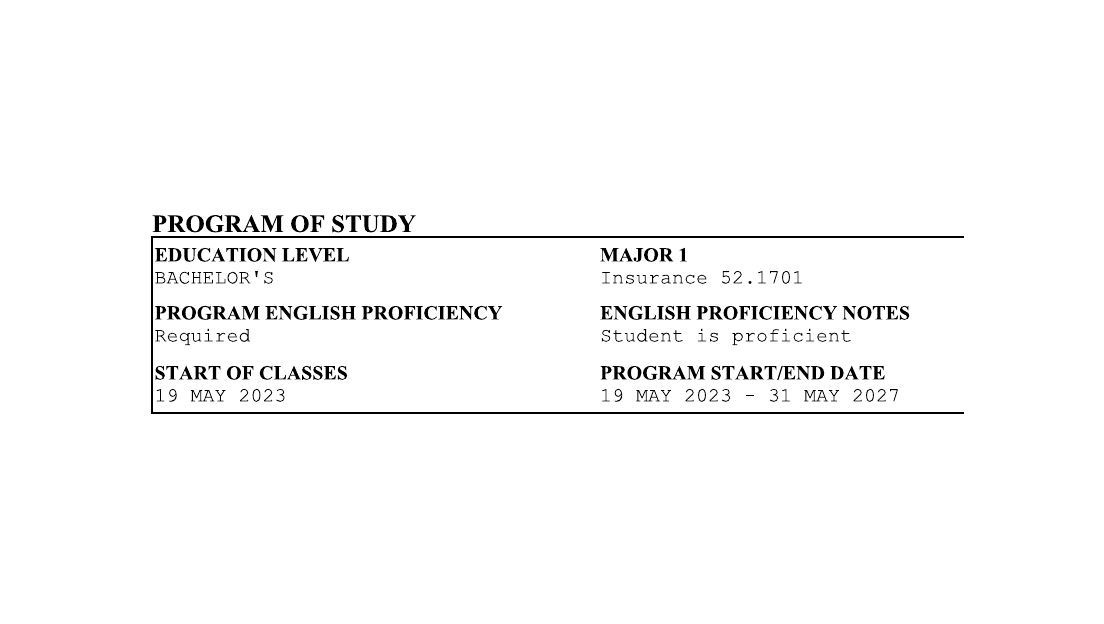
Consider an F-1 student making normal progress in a doctoral program that takes more than four years. Under the existing duration-of-status framework, a student admitted on that basis can generally stay while maintaining status. If the student needs more time than the school initially allowed for the program, existing rules still govern a program extension through the school. Under the July rule, the initial period allowed for study would have been capped at four years, and staying longer to continue the same program would generally have required an extension from DHS. Monday’s ruling leaves the existing process in place.
The government argued in court that fixed periods would give immigration officers regular opportunities to check compliance and help combat fraud and security threats. Saylor found that DHS had not adequately weighed a less burdensome option: improving its use of the existing Student and Exchange Visitor Information System, which already collects information from schools. He also concluded that the rule’s restrictions on what F-1 students could study exceeded DHS’s statutory authority.
The government’s existing First Circuit appeal concerns the September preliminary order. A challenge to Monday’s merits ruling would require an appeal from the final judgment. The distinction matters because the September appeal, by itself, does not put the July rule into effect.