
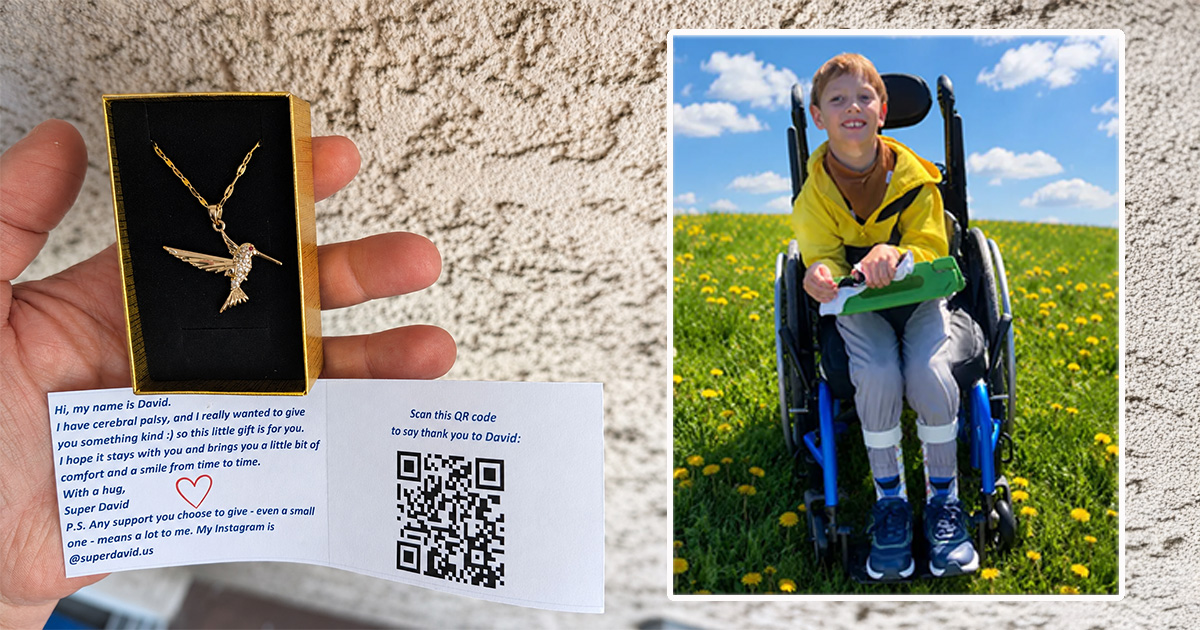
Along with each order, Maxim hands over a small piece of jewelry and an envelope with a booklet about his family. The jewelry is a gift.
The booklet has photos of his son David and a QR code for anyone who wants to help.
Behind that ordinary delivery is the story of a child who asks for help by making a fist, parents who fear leaving him alone, and gifts that sometimes go unanswered.
Do you give away jewelry with every delivery?
Yes, necklaces or brooches. I deliver orders through DoorDash and Uber Eats around San Diego. I leave a gift and an envelope with our story along with the order.
Where does the jewelry come from?
I make it myself. I buy small parts and supplies in bulk. I make some pieces from scratch and assemble others from ready-made parts.
How did you come up with the idea?
It came after other ways of asking for help hadn’t worked. We tried to tell people about our family, about our son. Then I decided to give people jewelry and include a letter. Maybe someone would read it and want to help.
His name is Maxim. He and his wife, Ekaterina, are raising David, a boy with severe cerebral palsy. He cannot walk independently, he does not speak, and he needs help with everyday tasks.
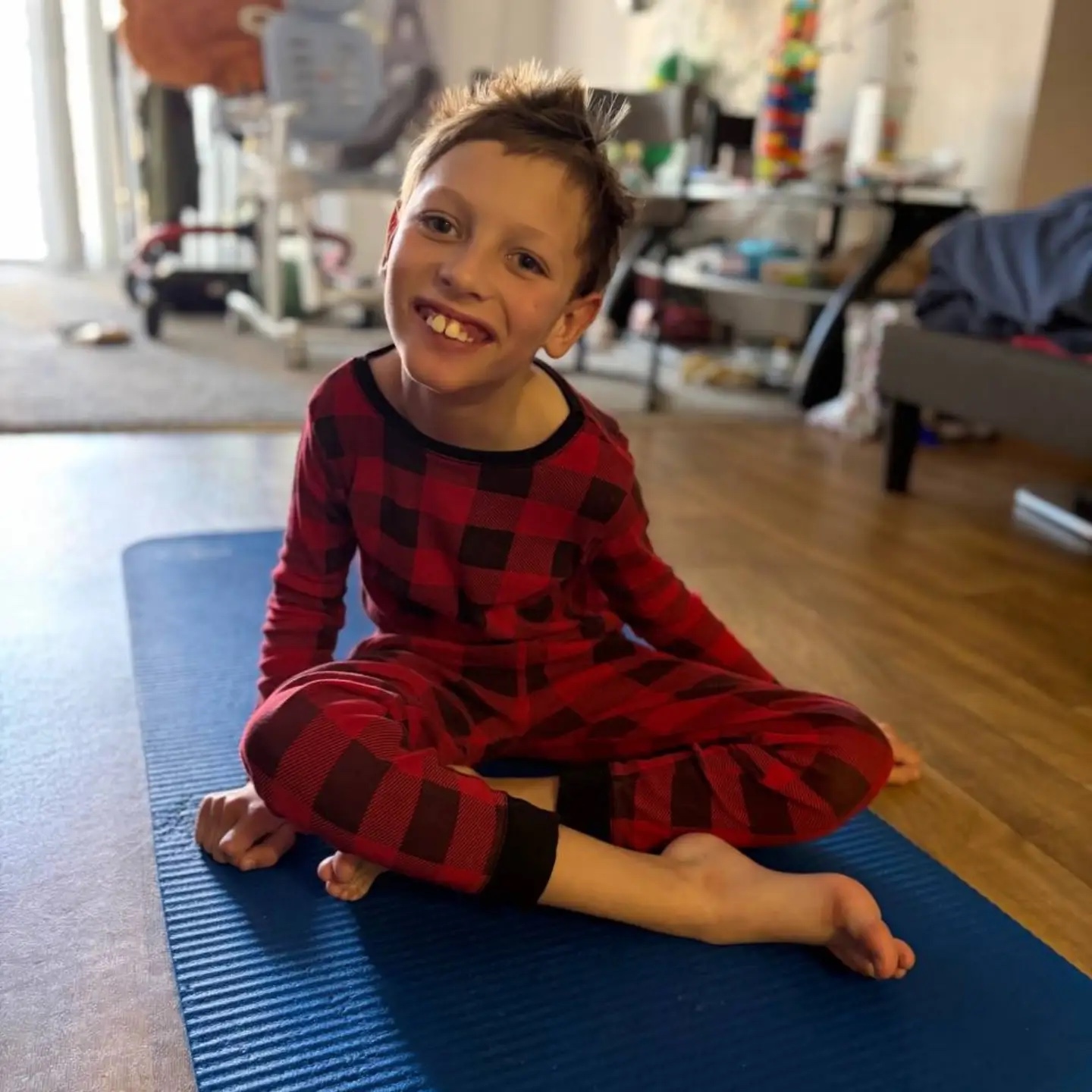
When Maxim talks about his son, the conversation quickly moves beyond the diagnosis.
Tell me about David. What is he like?
He’s very affectionate. He hugs us every chance he gets. My wife and I think you’d have to look a long way to find another child who loves his parents and cherishes life the way he does. To us, he’s Super David.
How does he communicate with you if he doesn’t speak?
With his left hand. His right hand is affected by spasticity, so he can only use his left to communicate. When he needs help, he makes a fist. That’s his sign for “Help me!”
His parents know what the gesture means. It can be something as ordinary as a need another child might take care of on their own. David needs someone there with him.
In a 2021 estimate by UNICEF, nearly 240 million children worldwide had a disability, about one child in ten. Their needs and circumstances vary widely. Millions face barriers to education, health care and taking part in community life.
For their families, that can mean extra expenses, travel, finding specialists and obtaining suitable equipment. At the same time, caregiving can limit the parents’ ability to work. A joint ILO and UNICEF report describes this double burden. Costs rise while family income can fall.
Money is only part of it. A building you can’t get into, a lack of suitable transport, a child being left out of a group activity, or someone else’s prejudice can narrow a family’s world. A child’s condition is only one part of the picture. The way society is organized creates barriers of its own. UNICEF’s study on the costs of exclusion.
What does a typical day look like?
School, rehabilitation, activities at home, swimming with an instructor. David needs help getting dressed, eating, using the bathroom and getting around. The nights aren’t always easy either. And we still need to work, buy groceries and look after the home. We’re constantly adjusting our schedule to his needs.
Do the gifts and letters help bring in donations?
Sometimes we get one or two donations in a day. Sometimes we go a whole day, or even two days of deliveries, without any. I deliver orders, give away jewelry and leave envelopes. And there’s no response. Sometimes the donations don’t even cover the cost of the gifts.
What goes through your mind at those times?
Maybe people think, “Why should I help? Someone else will.” Of course, I don’t know what anyone is thinking. Some people don’t have money themselves. Others may not have read the letter. But sometimes it feels as though everyone is counting on that other person. And in the end no one helps.
A person’s silence tells us little about why they didn’t respond. Counting on someone else to help gives the family no certainty. At the end of the day, they’re left with a very concrete result. There are no donations, and the bills and the need for care remain.
What are you and Ekaterina most afraid of?
Leaving David alone. I’m 52 and my wife is 43. We’re older parents now. And something can happen to anyone, at any age. An illness, an accident. No one is immune.
That fear never leaves us for a second. As long as we’re here, we can help him and protect him. What happens after that? Nobody loves him the way we do.
Was there a moment when that fear felt especially real?
I had a severe attack of angina. And then I wasn’t afraid of dying. I was afraid of leaving my wife and son alone. How would she manage? Who would help her? What if we’re both gone one day?
Do you have relatives who could care for David?
He has a sister, but she lives in Russia. We don’t think moving there would be safe for him. We’re frightened by stories about violence against people with disabilities, about children who end up in institutions and die without adequate care. Ekaterina wrote about it for MOST Media & News.
So in practical terms David only has us here, his mom and dad. There’s no one we could entrust with his care and feel at ease if something happened to us.
In “Being born different — and in the wrong country. Why people with disabilities in Russia remain second-class citizens”, Ekaterina Novichkova discusses cases of violence, neglect of children’s needs and deaths of people with disabilities in Russia. She writes both as an author and as David’s mother. For this family, those stories bear directly on the question of whom they can trust with their son’s safety.
What kind of future do you want for him?
We dream of David having a home of his own, adapted for him. His own home, specifically, rather than public housing. A permanent place where he can live and receive help, where a social worker could check on his well-being and the care he receives.
We’re also looking to technological progress. We hope assistive robots will one day be able to help people with needs like his. We’re looking for every chance to make his life safer.
A home of his own will still leave David in need of ongoing support. Professional help and future technology are part of a plan the family has yet to build. The parents’ aim is clear. They want a living arrangement in which their son’s well-being does not depend entirely on their health.
Where do the donations go now?
Into a Special Needs Trust, or SNT, set up for David. It’s money for his needs that must be spent according to the trust’s rules.
Unfortunately, what we manage to raise barely covers the rent for the apartment where we live. We can’t even begin to think about saving for the future.
Between the dream of a secure future and the present stands another rent payment. Donations help with current expenses. For now, the family still cannot build a reserve for the years ahead.
That’s one of the difficulties of long-term care. Today’s needs can’t wait until tomorrow. A child needs suitable housing and assistance now, even as his parents try to put money aside for his life as an adult.
What would you say to someone who received one of your gifts?
Please read our story. If you can help, please do. If you can’t give money, tell others about David. Share the link. Someone who can help might hear about us because of you.
We love our son very much. We want to make sure he’s looked after while we’re still here to do something about it.
David has his own way of asking for help. He closes his left hand into a fist. His mom and dad know what it means.
Now they’re the ones asking for help. They put the jewelry together, slip letters into envelopes and hand them out with deliveries. Their greatest hope is that David will always have someone by his side who notices when he asks for help and comes to his aid.
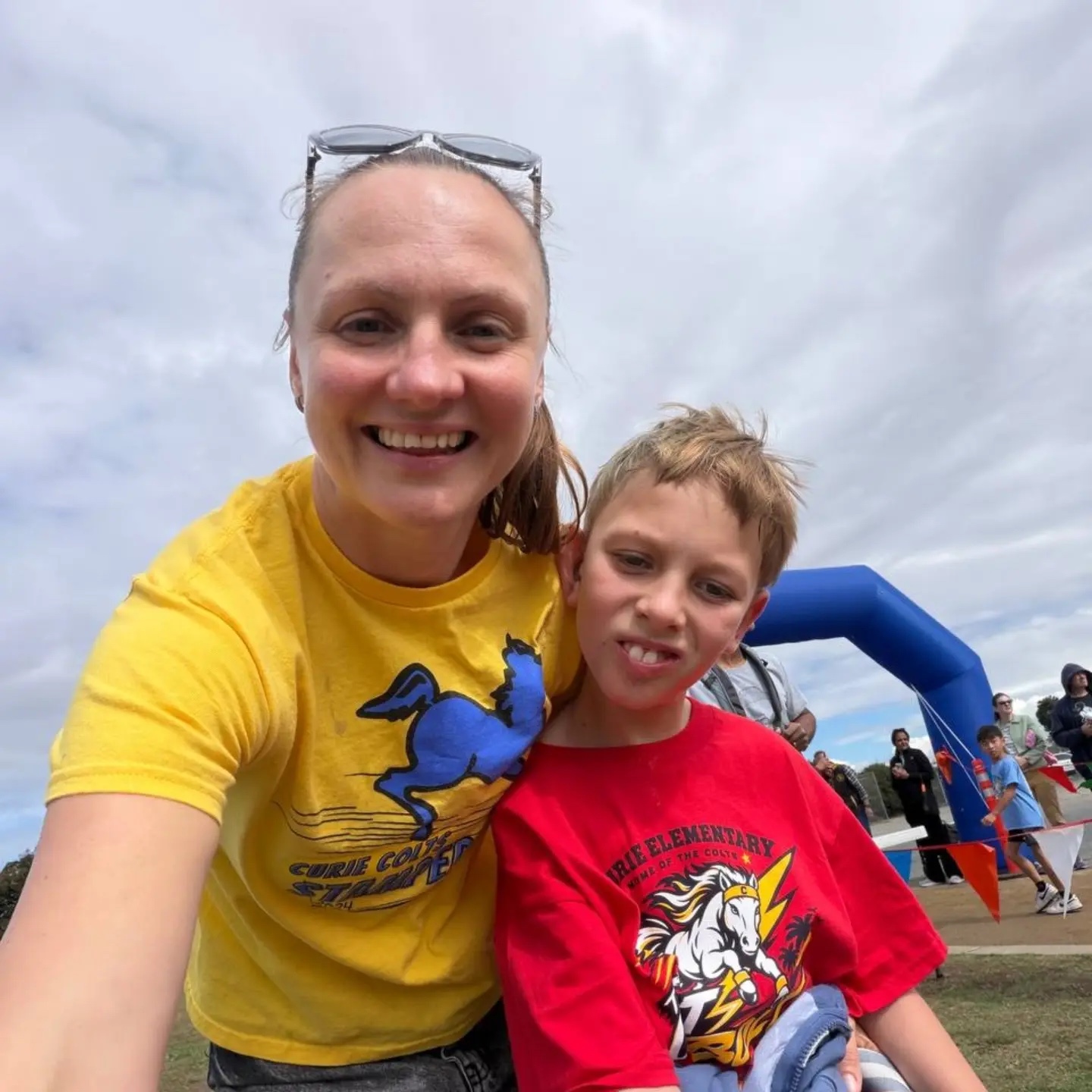
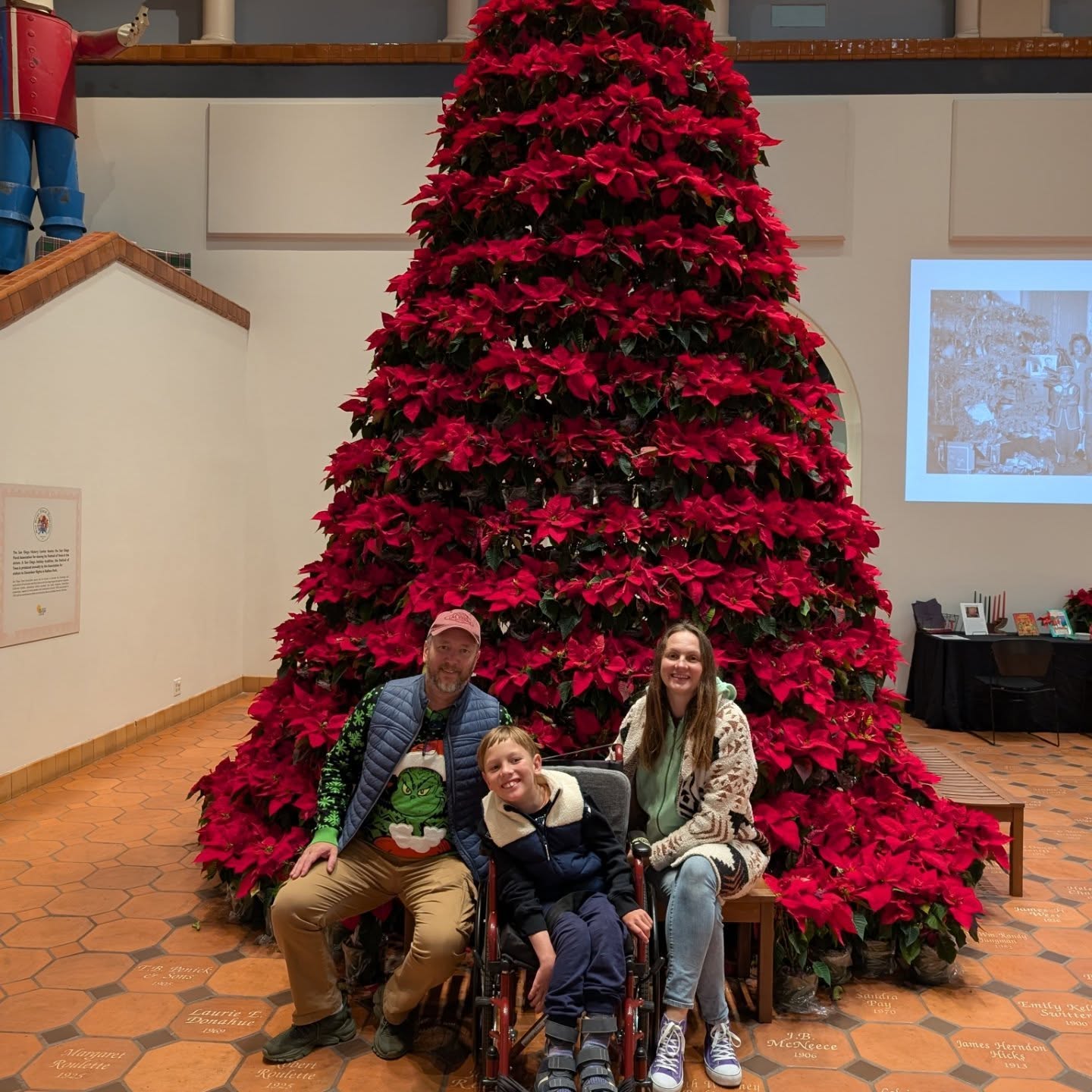
Family photos on Instagram · David’s portrait · David with Ekaterina · David with his parents