
A filing deadline in a represented immigration case can now run from the date of a judge’s scheduling order, even if the preliminary hearing it replaces was set for later. Under a November 23 memorandum, the Justice Department’s Executive Office for Immigration Review generally gives parties 10 calendar days from that order to submit written pleadings and evidence on the charges of removability, unless the judge sets a different deadline.
The 2021 memorandum that the new policy replaces generally gave covered non-detained cases 30 days from the most recently scheduled hearing date, whether the hearing took place or was canceled. Under the new procedure, the court generally cancels the preliminary hearing and sends a scheduling order if a representative files Form EOIR-28, the notice of appearance, at least 15 days before the hearing. The new memo drops the older memo’s express reference to non-detained cases in that provision. If the court has not sent notice that a hearing was rescheduled, the parties should still appear.
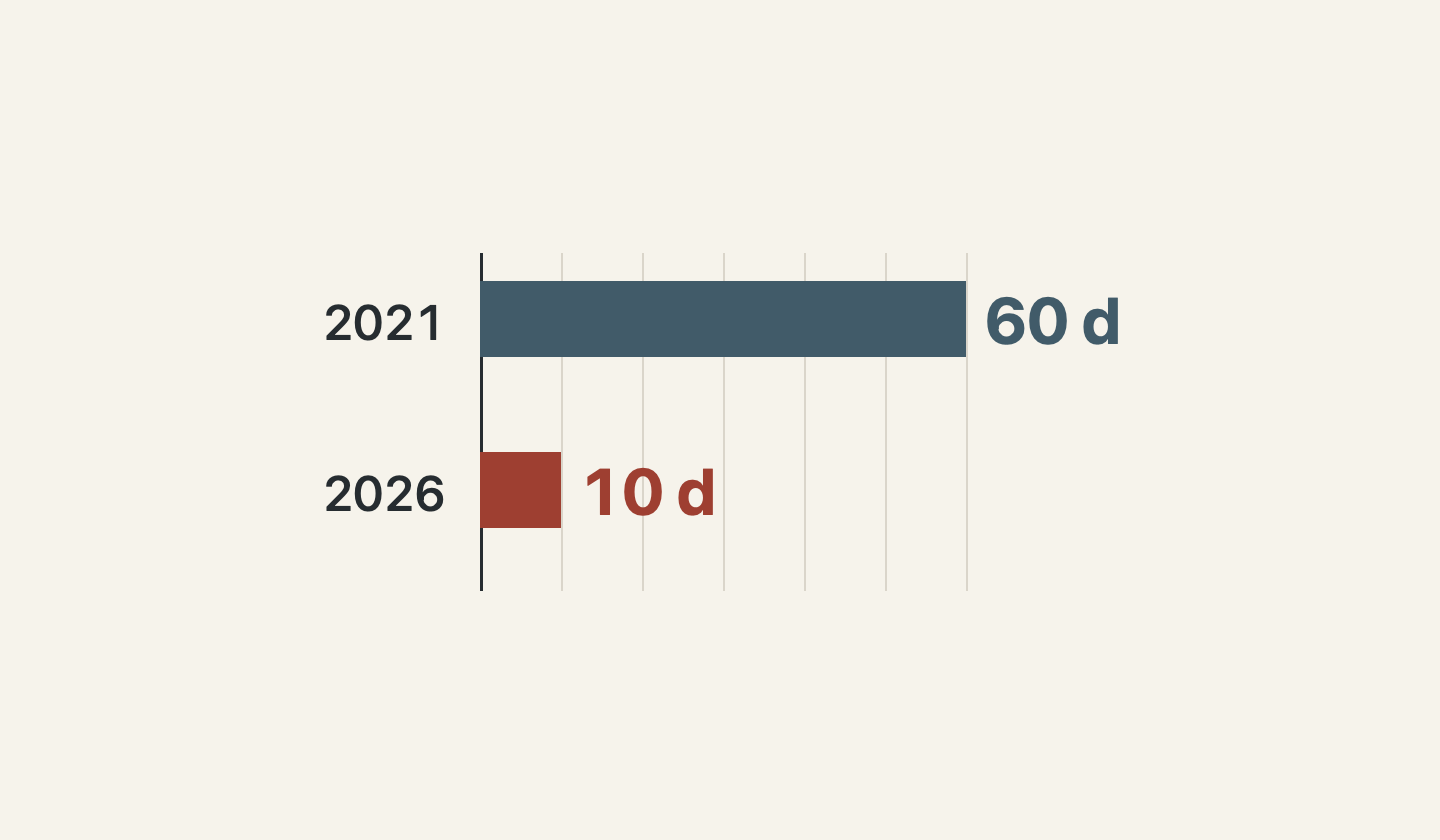
A separate deadline starts if a judge finds the respondent removable. The person ordinarily has 10 days from the order sustaining the charges to file applications and supporting documents for relief or protection from removal, down from 60 days under the 2021 model. That change gives respondents 50 fewer calendar days under the default schedule to assemble material such as evidence about conditions in the country to which they could be removed. A party can ask the judge for more time. A deadline falling on a weekend or legal holiday moves to the next business day.
The November 23 memo’s transition provision applies the model prospectively to cases initiated on or after that date. A pending case can move to the new process after an individualized determination that it is suitable. Existing court orders remain in force unless the immigration judge modifies or rescinds them.
The agency says moving routine steps into written filings can free hearing time for contested cases. For cases ready for trial, the memo retains the target of scheduling a merits hearing within 90 days, subject to docket availability. The shorter filing periods therefore give parties less time to prepare certain documents while the court’s ability to schedule a merits hearing still depends on its docket.