
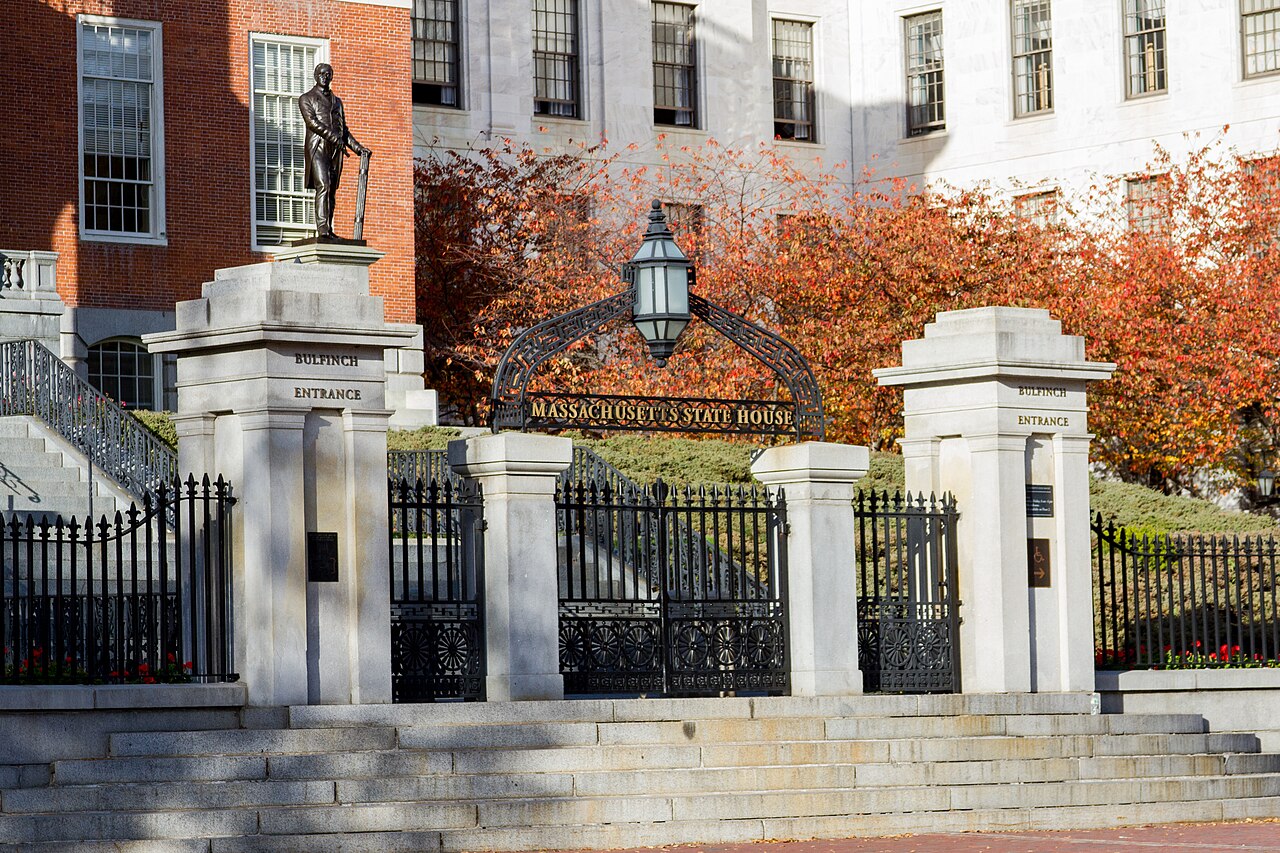
About 300 unionized workers from the University of Massachusetts Amherst boarded buses for Boston on Friday morning, MassLive reported. Their destination was a State House rally where organizers planned to take a demand for higher pay to Gov. Maura Healey’s office. The trip put a spotlight on how unions and employers negotiate campus pay and how the state funds those agreements.
The University Staff Association’s rally guide called for workers to gather on the State House steps before going inside to deliver their demand. The Massachusetts Teachers Association’s Fair Wages Now campaign is seeking contracts that raise pay by 30% over three years. The union argues that low pay makes it harder to fill vacancies and leaves more work for the people who stay.
How a wage agreement reaches the state budget
Massachusetts law names the UMass Board of Trustees or its designee as the employer for collective bargaining at UMass. For other public higher education institutions, the law names the Board of Higher Education or its designee.
Section 7(c) of Chapter 150E sets out what happens after a contract is signed. When its added costs require a state appropriation in the current fiscal year, the employer has 30 days after signing to send the governor a funding request. The Legislature gets a copy and an estimate of the costs for later fiscal years. The law handles agreements that first take effect in a later fiscal year separately.
If the governor receives the request and lets 45 days pass without recommending the appropriation to the Legislature, the request goes back to the parties for more bargaining. For campus workers following the campaign, the milestones to watch are a signed agreement and, where state funding is required, a funding request and a recommendation to lawmakers.