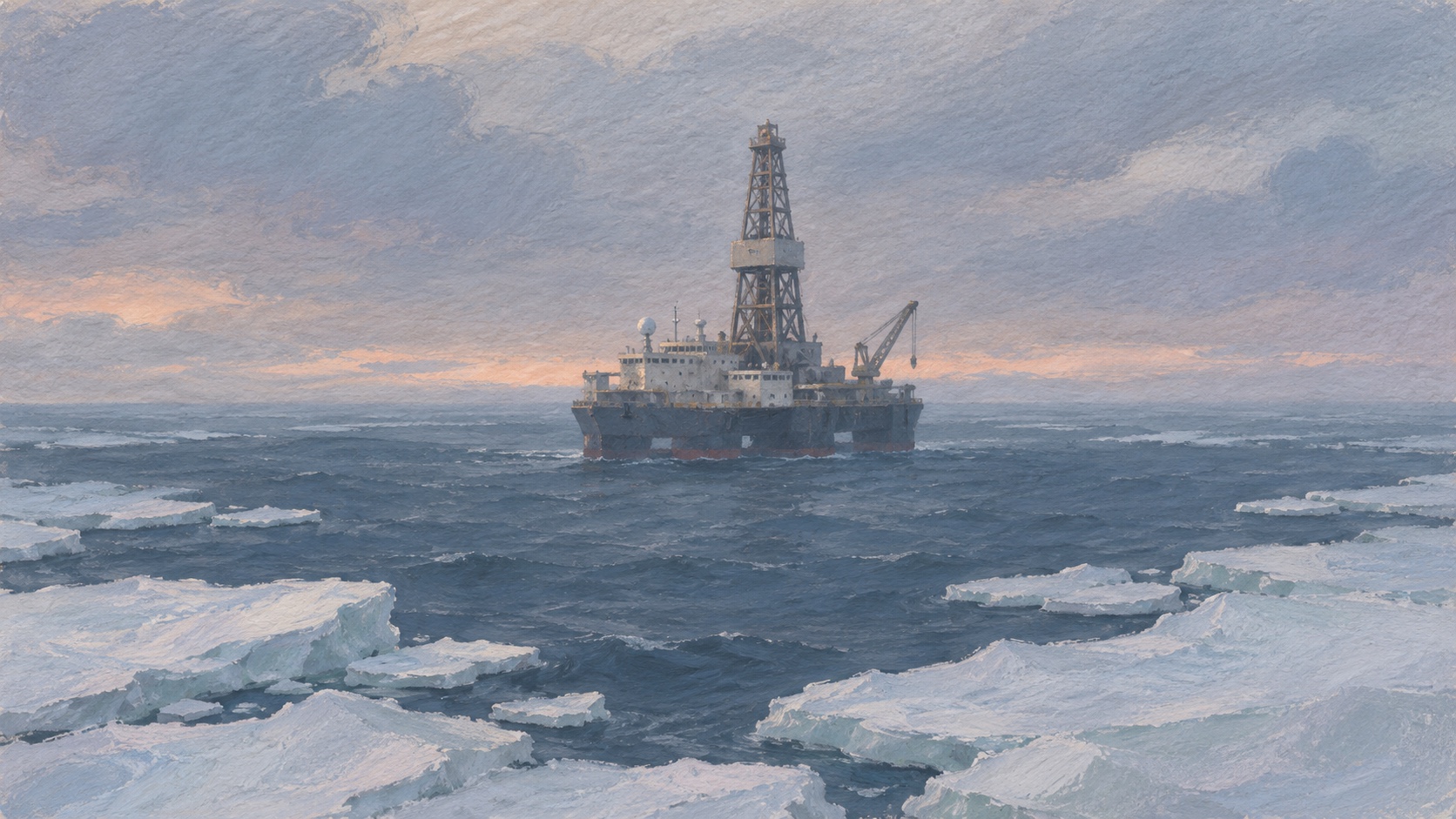
The public has until December 14 to weigh in on how offshore oil and gas explorers should prepare for a loss of well control in Arctic waters. The Interior Department’s November 13 Federal Register notice reopens a comment period that closed October 5. The notice does not change the drilling requirements.
Under the current federal rule, an operator drilling or working below the surface casing on the Arctic Outer Continental Shelf generally must have access to a separate relief rig. It has to stage that rig where it can reach the site, drill a relief well, stop the flow and permanently plug the original well, and abandon the relief well before expected seasonal ice reaches the drill site, and no later than 45 days after the loss of well control.
The August proposal would give operators exploring from mobile offshore drilling units two ways to meet that backup requirement. One is to use a subsea isolation device designed to seal the wellbore independently of the blowout preventer and keep it isolated through winter. The other is to retain access to a relief rig. For operators that choose the rig, the proposal would keep the 45-day limit and drop the separate deadline tied to expected seasonal ice at the drill site.
That distinction gives commenters two practical questions to address: under what conditions can the device keep a well sealed through winter, and what evidence shows a relief rig can finish its work as ice approaches? The reopening notice gives the submission instructions: search Regulations.gov for docket BSEE-2026-0133 and identify the proposal as RIN 1082-AA05. The agency says comments may be made public.