
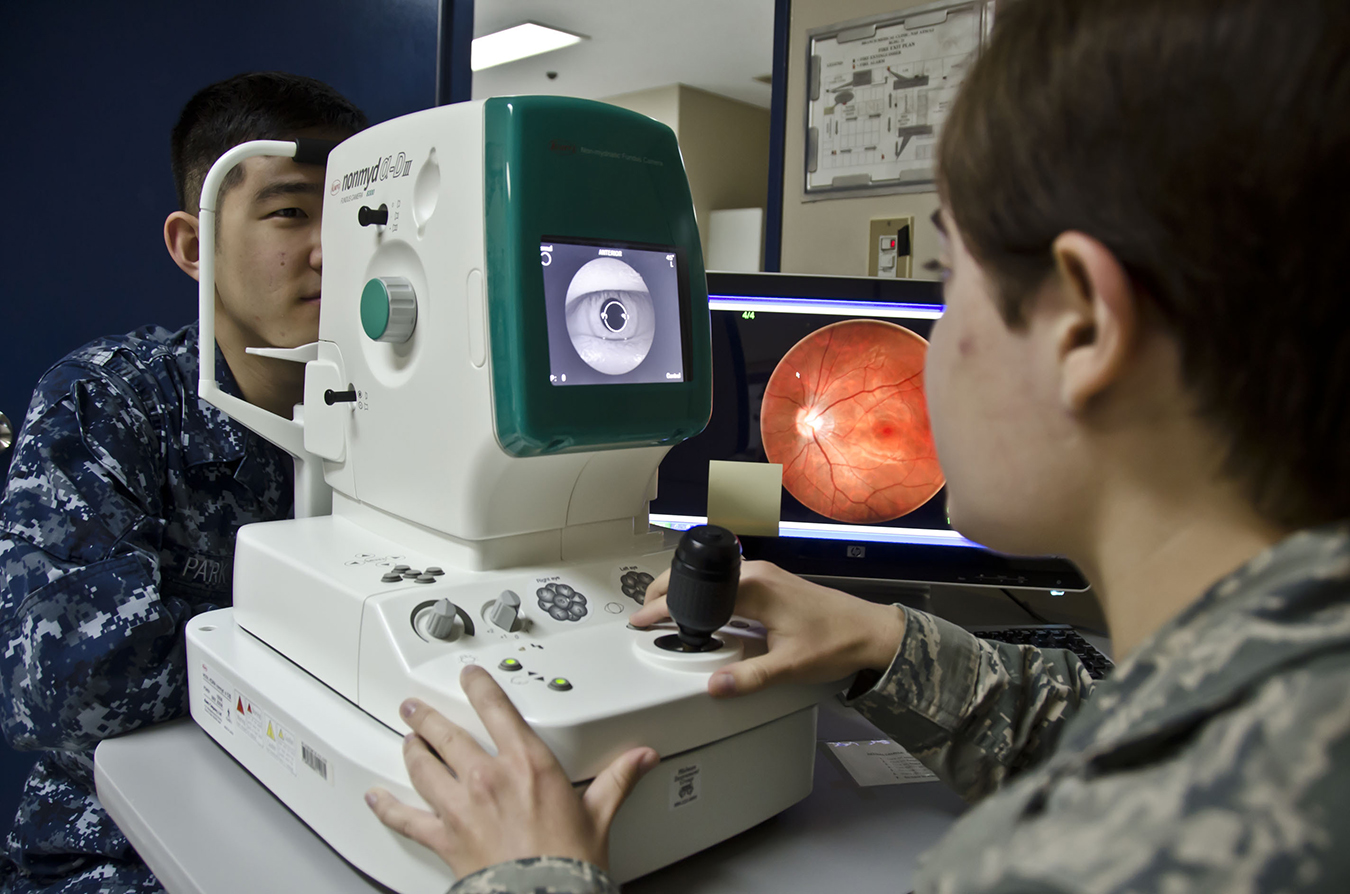
A patient leaving an eye screening in northern Tanzania could learn before walking out of the photography room whether they needed to see a specialist. In a randomized trial, the SELENA+ AI system (version 1.7.0) analyzed the retinal images on the spot, and a staff member explained the result face to face. In the usual-care group, patients received their results later by phone or text.
That change in how results reached patients is one example in a new brief from the Independent International Scientific Panel on AI, which was released ahead of the Nov. 23 AI safety summit in Bridgetown, Barbados. The panel uses the trial to show what a narrowly focused AI tool takes to put into practice. In this case, the software needed retinal images and a screening team that could explain the results and direct patients to specialist care. The panel’s announcement describes the brief as evidence for policymakers to consider.
The trial, published in October, ran at 24 clinics in Tanzania’s Kilimanjaro and Arusha regions. The reference standard included images that specialists could not grade as well as retinal findings that warranted referral. Among participants who met those criteria, 157 of 437 (35.9%) in the AI-assisted group visited the central ophthalmology clinic within eight weeks. In the usual-care group, 85 of 467 (18.2%) did so. The trial’s main result measures the combination of automated screening, an immediate result and in-person counseling. The study did not assign patients to receive each of those changes separately.
Most patients in the AI-assisted group who met the referral criteria still missed follow-up within eight weeks. Subtracting the 157 attendees from the 437 who met the referral criteria leaves 280 people in the AI-assisted group who did not reach the specialist clinic within eight weeks, or about 64%. The trial also recorded more false-positive cases reaching the clinic in the AI-assisted group: 84 of 755 participants without a referable result under the study’s reference criteria, compared with 48 of 719 in usual care.
For a clinic deciding whether to expand this approach, those results point to two measures worth tracking together: how many patients who need specialist care reach it, and how many follow-up visits involve patients who do not meet the reference criteria. The study gives an eight-week attendance benchmark. It leaves open what an expanded program would cost and how much it would improve patients’ vision.