
In the days before Friday’s nationwide ground stop, the Federal Aviation Administration announced that it was expanding an AI system designed to help plan flights. On Sunday, the agency drew a line between the two: SMART, the planning tool, does not feed information into the air traffic control system, the FAA said in its account of the outage. The agency traced Friday’s disruption to a flood of connection attempts on the network that carries aircraft communications and radar feeds. It is still investigating the root cause.
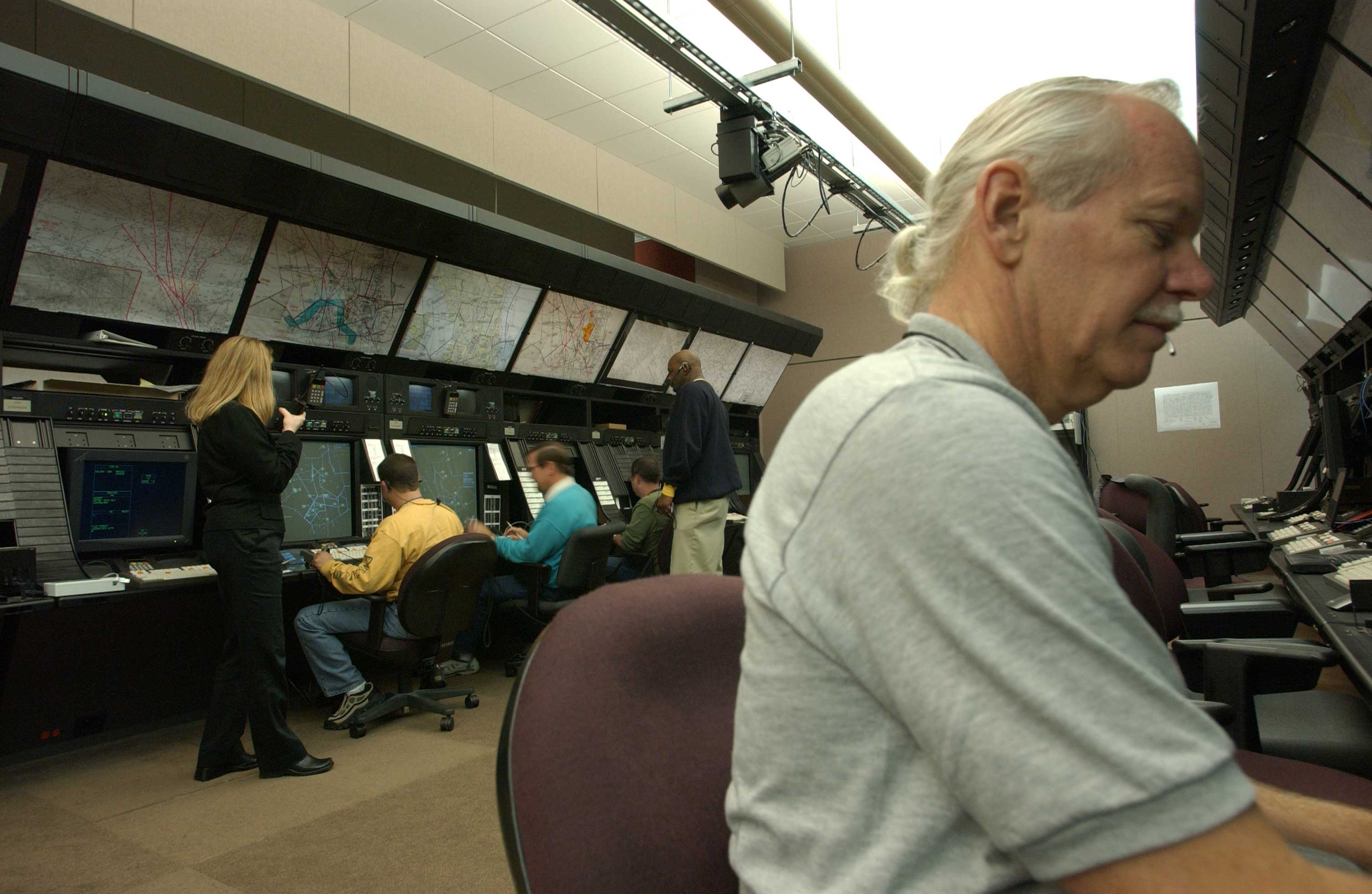
The FAA’s rollout notice describes a different path for SMART’s output. The software brings together information such as flight paths and weather. Specialists in Washington review its data and send scheduling recommendations to the agency’s command center in Warrenton, Virginia. The center passes them to air traffic facilities for local leaders to consider. According to the FAA’s description of the system, controllers remain responsible for keeping aircraft safely separated.
The two systems answer different questions. In a storm, SMART can help planners see where traffic might back up and consider changing a route or departure time. Friday’s problem was whether the infrastructure controllers already rely on could reliably carry radio communications and radar data. The Sunday update says instability began at 17 of the FAA’s 22 Air Route Traffic Control Centers and spread to several approach control facilities. Some frequencies and radar feeds continued to work. Investigators identified two possible sources of the excess network traffic, in Texas and Arkansas; the agency says the network stabilized after its service provider blocked both sites.
The rollout notice says SMART had helped reroute 180 flights since Sept. 21 and reports average savings of 10 minutes per flight. It does not explain how the agency estimated what those flights would have done without SMART, or give a count of recommendations that local officials declined. Those figures therefore cannot tell travelers what to expect from the wider rollout.
One way to test the planner would be to log each recommendation alongside the forecast available at the time, then record what local staff did and why. Comparing delay minutes against similar flights facing similar weather and congestion would offer a better measure than counting reroutes alone. Keeping the declined recommendations in the record would also show where human judgment still changes the plan.