
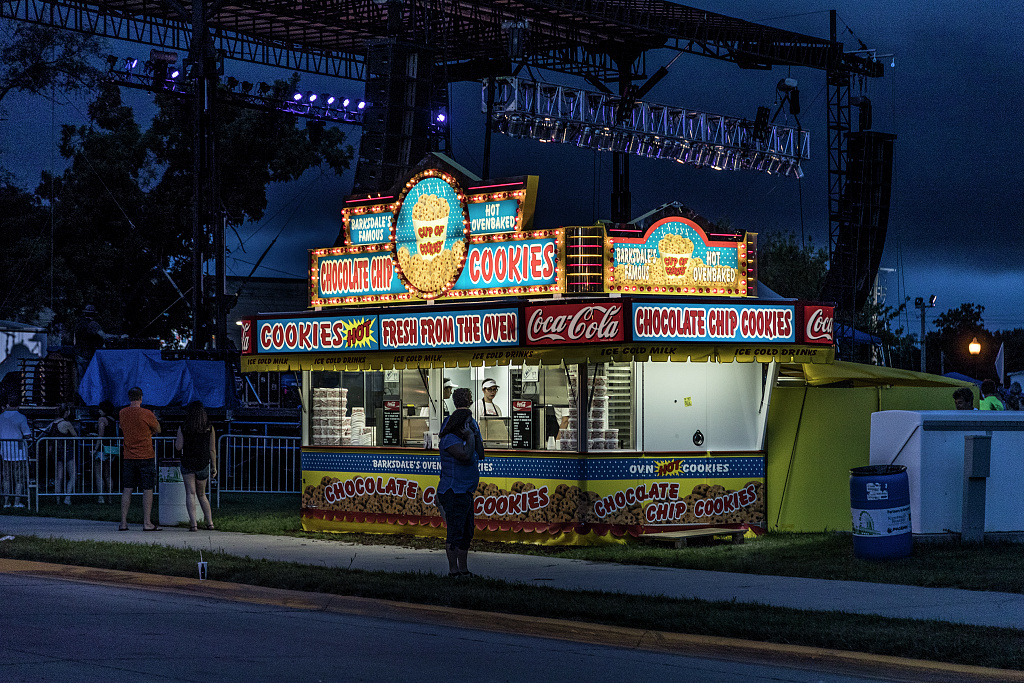
A concession worker might spend two weeks setting up a tent, serving food and taking the stand down after a concert. Under a November 17 opinion letter from the U.S. Department of Labor, a stint that short still leaves a question about federal minimum wage and overtime: How seasonal is the establishment where the worker was employed?
The Wage and Hour Division examined an unnamed concessions company that hires by the event. It said the company staffs a state fair for about three months and individual concerts for about two weeks, including setup and teardown. The division treated the stands and their respective hosts as part of the same establishments because the stands operated on event premises and sold to attendees. It said the exemption would apply if the combined establishment met either seasonality test.
The Fair Labor Standards Act offers two ways for a qualifying amusement or recreational establishment to show it is seasonal. The calendar test limits operations to seven months or less in a calendar year. The receipts test compares two sets of six months from the preceding calendar year. Average monthly receipts for one set must be at most one-third of the average for the other six months.
That distinction matters when the same site hosts several concerts. The division said those events can be part of one establishment, so the relevant calendar can stretch well beyond one crew’s setup and teardown. The agency lacked host receipts and left that test unresolved. For a worker or employer reviewing a pay decision, the useful starting questions are which operation was counted and which test supports the exemption.
There is a regional wrinkle. In Hill v. Delaware North, the Second Circuit treated a qualifying ballpark concession operation as an amusement or recreational establishment in its own right and looked at its receipts. The division’s letter tells establishments in New York, Vermont and Connecticut to rely on its guidance only where it is consistent with that ruling.